
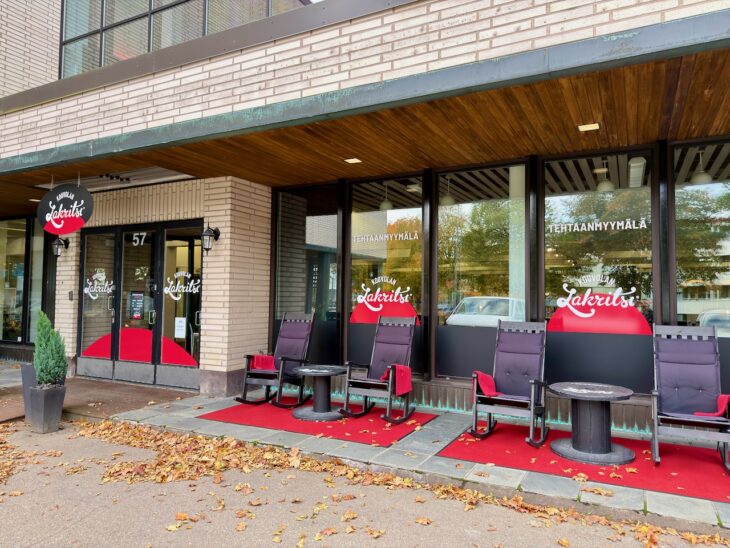
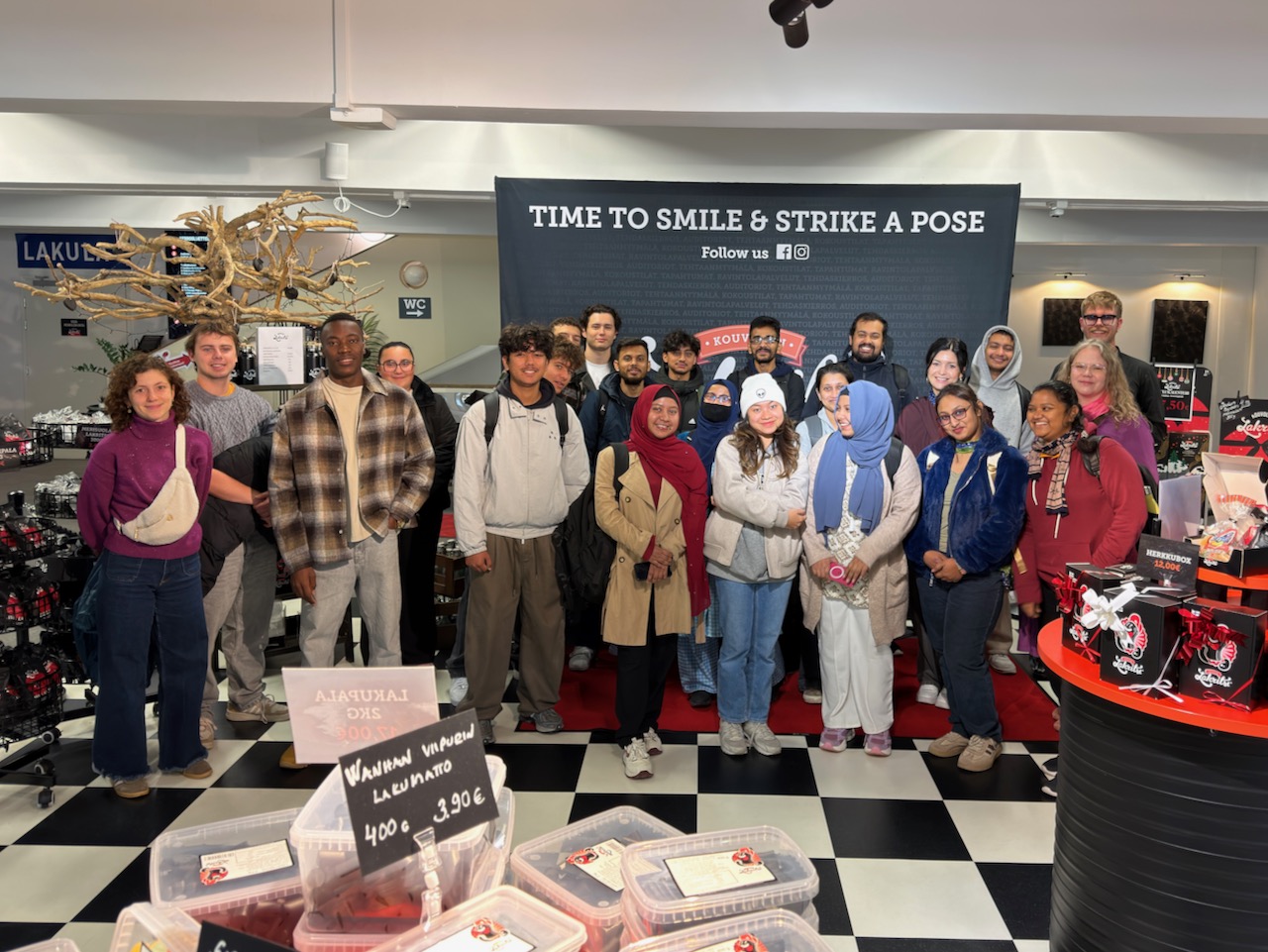
Xamk DIB and Clermont students visit Kouvolan Lakritsi
Volume 29, Issue 05, 09 October 2026
What can a piece of liquorice teach students about business? Quite a lot, as a visit to one of Kouvola’s best-known companies demonstrated.
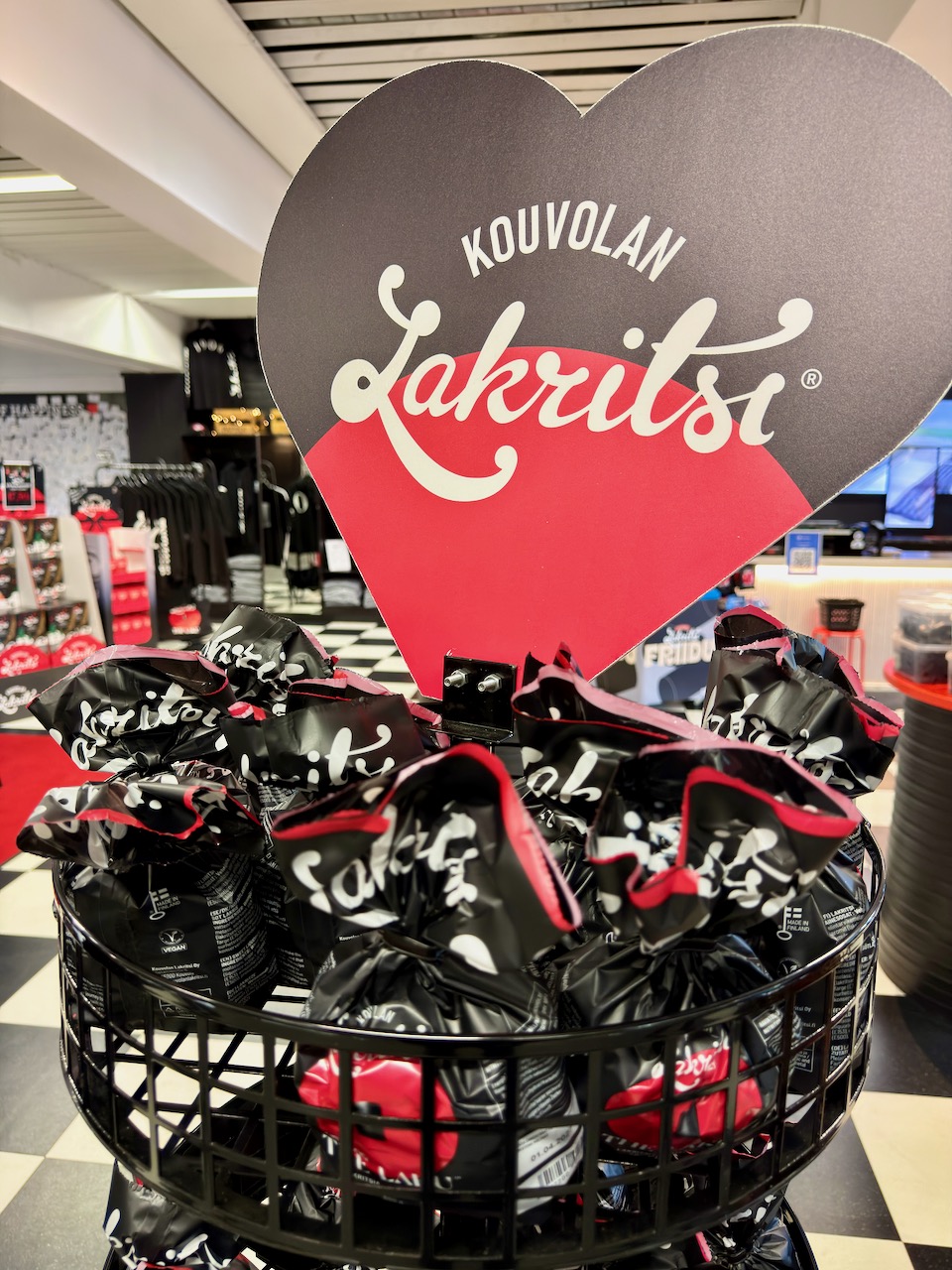
There are study visits where students observe a company, listen to a presentation and take notes. And then there are visits where you can actually smell the product being made. A visit to Kouvolan Lakritsi belongs firmly in the second category.
For students studying business, visiting a real company offers something that cannot always be recreated in a classroom. Concepts such as branding, entrepreneurship, production, internationalisation and customer experience suddenly become much more tangible when you see how they come together in an actual business, and at Kouvolan Lakritsi, there is also the unmistakable aroma of liquorice in the air.
Although strongly associated with Kouvola today, the company’s story reaches back to 1906, with a tradition stretching over 120 years with liquorice still made in Kouvola using traditional methods. That combination of tradition and contemporary business makes the factory an especially interesting destination for students.
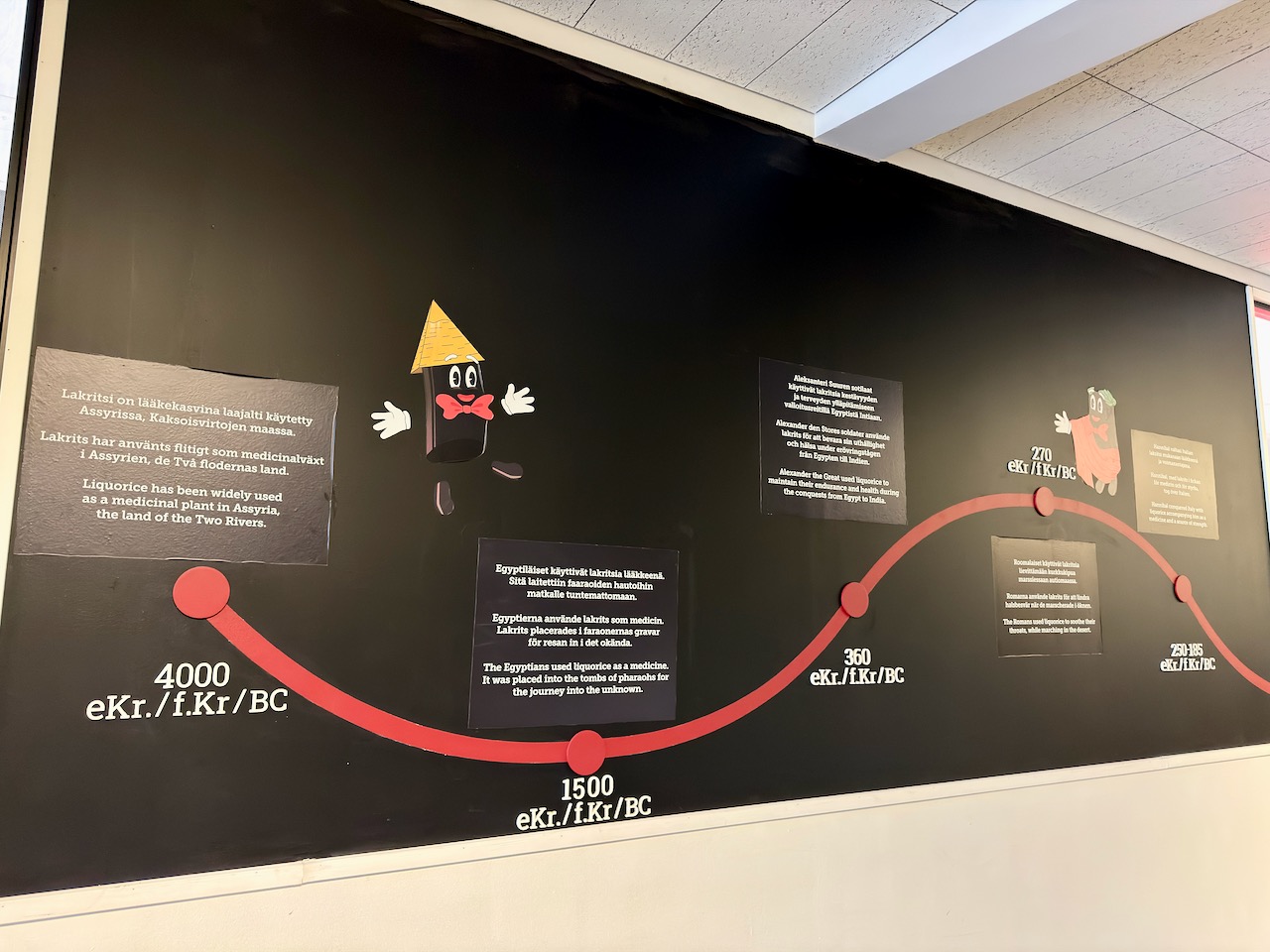
The production philosophy is remarkably different from the image many people have of modern food manufacturing. The production process is centred on traditional methods and real hands-on working methods rather than automated production lines.
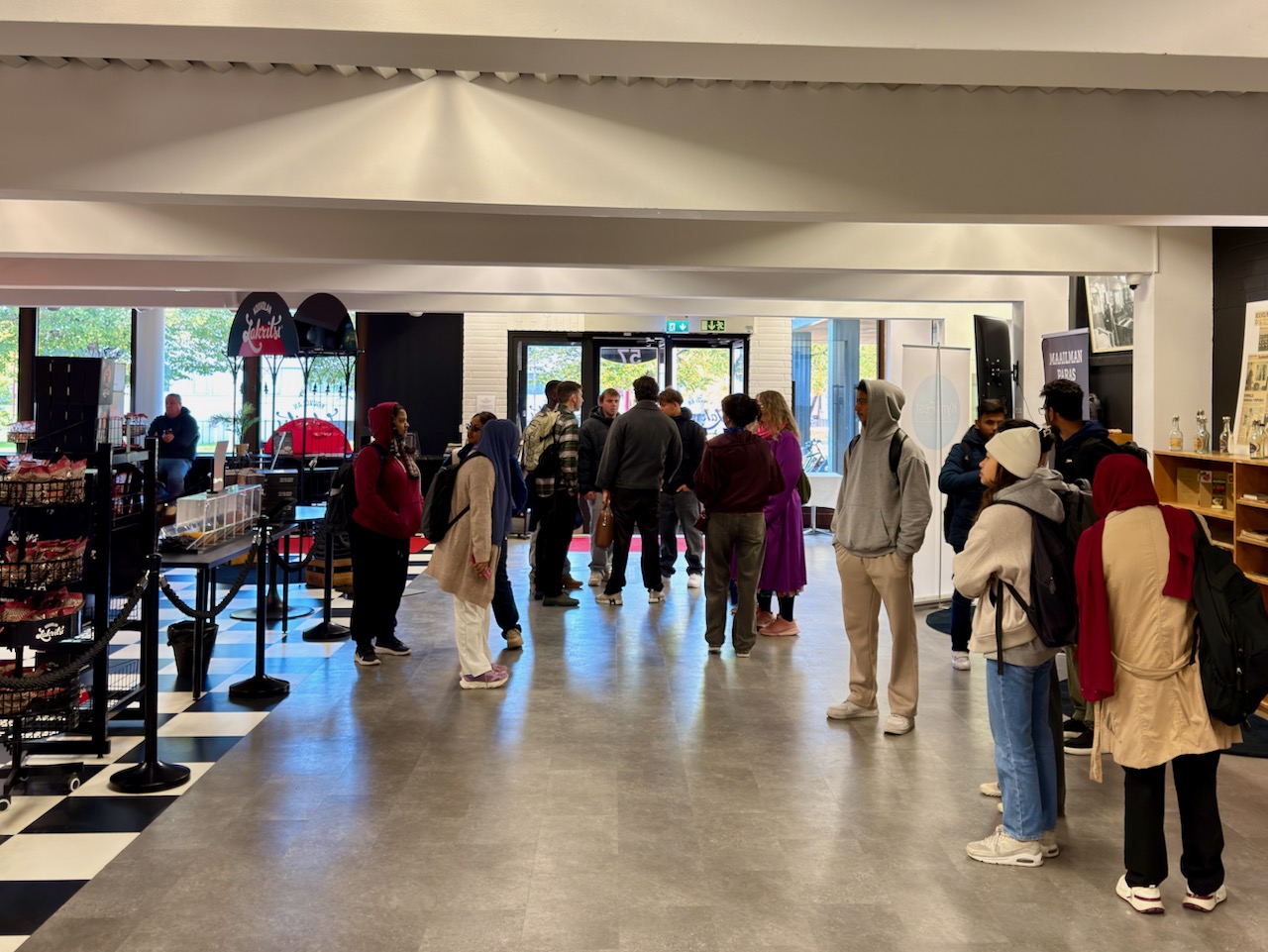
For business students, this provides an interesting question: Does growth always mean becoming more industrialised, or can traditional production itself become part of a company’s competitive advantage?
At Kouvolan Lakritsi, tradition is not simply history – it is part of the product story. Walking through any kind of manufacacturing environment also changes the way you look at an everyday product. The familiar black piece of liquorice on a shop shelf suddenly represents much more: ingredients, production, packaging, logistics, marketing, employees, investment and ultimately the customer experience. These are the kinds of connections that make company visits valuable. Ideas discussed during lectures become visible in practice.
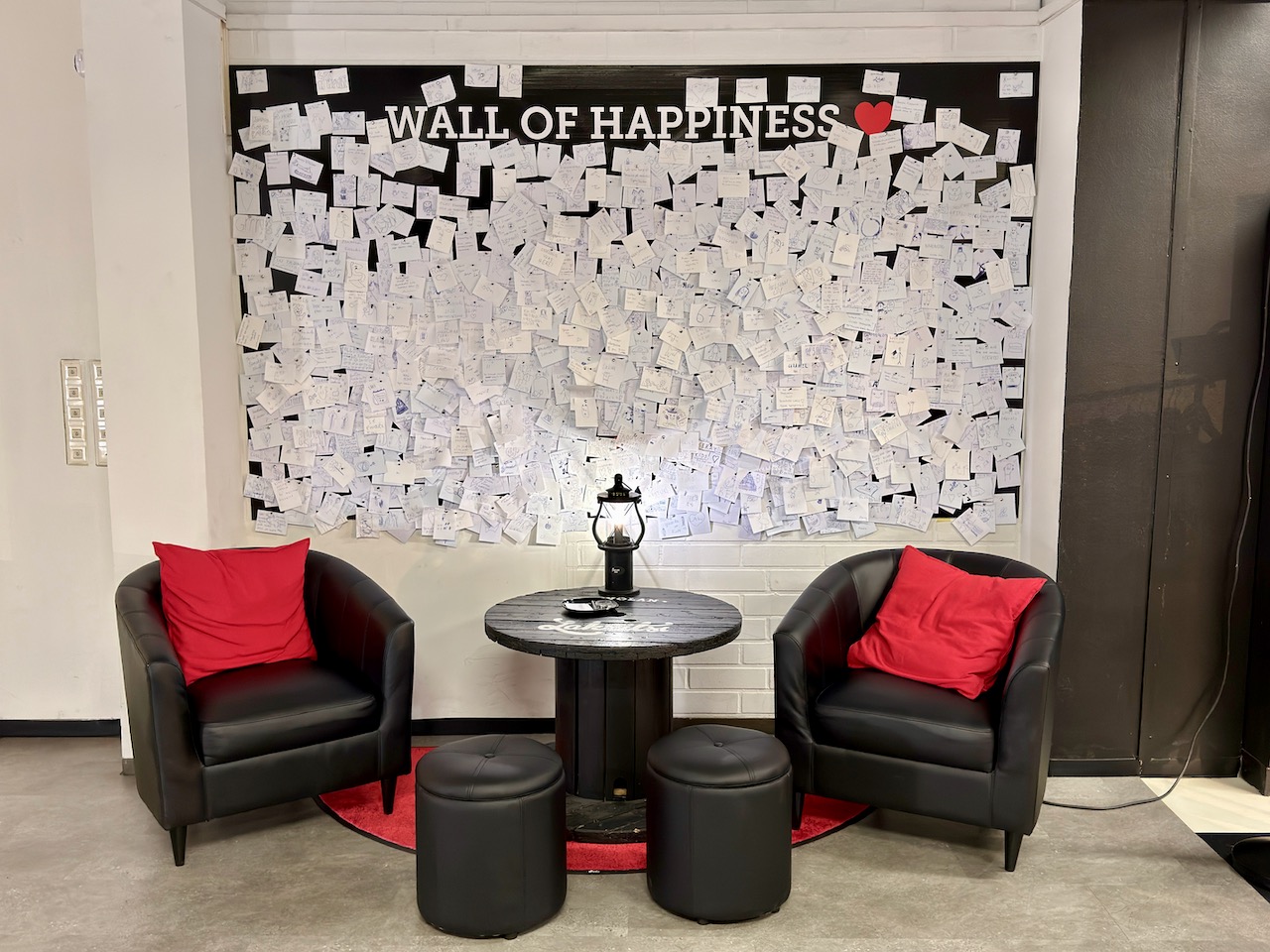
Perhaps one of the most interesting lessons from Kouvolan Lakritsi is that a traditional product does not require traditional marketing. The company has attracted attention through unusual ideas and collaborations. For example, Kouvolan Lakritsi projects have ranged from sending liquorice into the edge of space to luxury boxes of liquorice for the rich and famous at Monaco.
Behind the humour lies a serious business lesson. In competitive markets, differentiation matters. A company does not necessarily have to be the biggest to be memorable. Personality, creativity and a strong understanding of the brand can also create visibility.
That is an important message for students considering entrepreneurship themselves: a good business idea is only the beginning. The story you build around it can be equally important.
Study visits are valuable because businesses rarely fit perfectly into textbook models. Real companies have histories, personalities, changing markets and unexpected challenges. Decisions involve people as well as numbers. Brands develop through experimentation, successes and occasional risks.
At the liquorice factory, students can connect subjects such as marketing, entrepreneurship, operations and international business with a company operating right here in Kouvola. There is also something particularly valuable about discovering businesses in your own region. Sometimes international ambitions begin surprisingly close to home.
By the end of a good company visit, students should leave with more than photographs and notes. They should leave with questions. How do you keep a traditional brand relevant? How do you compete without losing your identity? How important is storytelling? When should a business follow convention, and when should it do something completely unexpected?
A visit to Kouvolan Lakritsi provides plenty of material for those discussions. And unlike many business case studies, this one comes with a distinctive advantage… you can taste it.

- Xamk DIB and Clermont students visit Kouvolan Lakritsi - 9th October 2026
- Nordic Business Forum 2026 – The Human Edge - 18th September 2026
- IBSEN meeting May 2026 – Valenciennes, France - 11th September 2026